Client
Cabinet of Regrets
Deliverables
// Branding
// Digital
// Art Direction
// Concepting
This project explores the emotional weight of missed opportunities, reflecting on the things we should have, could have, but didn’t do.
This project, in collaboration with clinical studies, explores the emotional weight of missed opportunities and the impact of regret on depression. Regret, a universal human experience, often lingers—especially with significant life choices, like missed opportunities or broken relationships. In social psychology, regret is seen as a response to counterfactual thinking—the “what if” scenarios we create about past decisions.
As humans, we tend to lock these regrets away, as the Dutch saying goes, “poppetje gezien, kastje dicht”—acknowledging them but avoiding deeper reflection. This project investigates how design and structured reflection can help unlock and process these hidden emotions, offering a pathway to break free from the psychological burden of regret.

The challenge
The challenge was to capture the intangible nature of regret, translating it into a visual and interactive experience. How do you create a physical or digital object that embodies this emotional concept?


The concept
The research phase focused on human psychology, particularly how people process reflection and unresolved emotions. It explored how design can act as a tool for self-awareness and introspection. Inspiration came from traditional cabinets of curiosity, memory boxes, and the concept of emotions being ‘locked away’ or hidden. Additionally, modern digital platforms like Pinterest, Notion, and cloud storage services such as Dropbox and Google Drive were examined as contemporary counterparts to these physical spaces, offering new ways to collect, store, and revisit memories.




Research and inspiration
Regret is closely tied to counterfactual thinking, where people imagine alternative realities in which they had acted differently. This can take two forms:
- Upward Counterfactuals
Imagining how things could have been better. ("If only I had taken that job, my life would be different.") - Downward Counterfactuals
Imagining how things could have been worse. ("At least I didn't make that bad investment.")
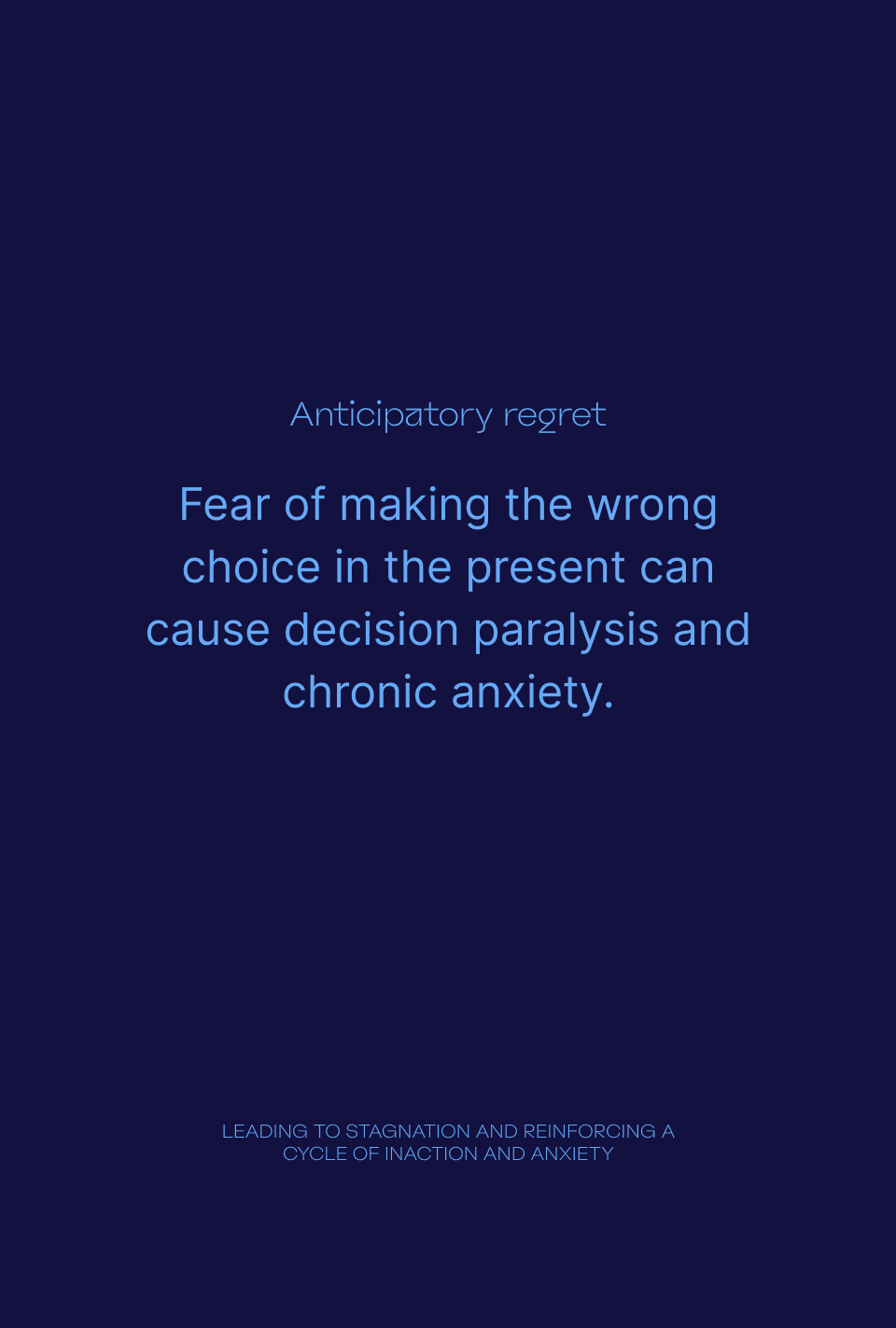
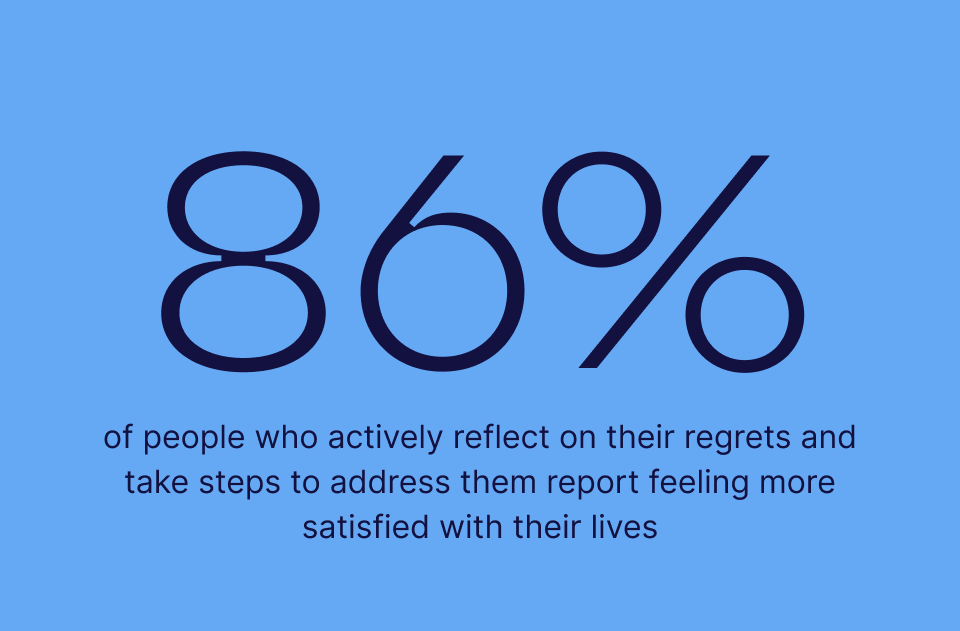
Regret, when left unresolved, can weigh heavily on mental health. However, when approached with self-compassion, cognitive reframing, and action-oriented reflection, it can become a catalyst for change rather than a source of suffering.

Why this matters
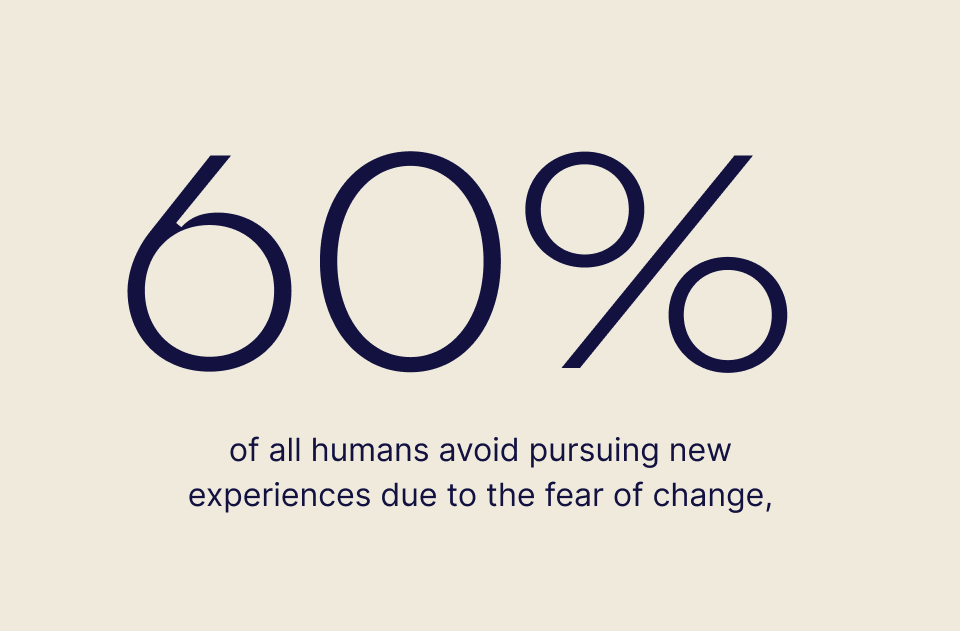
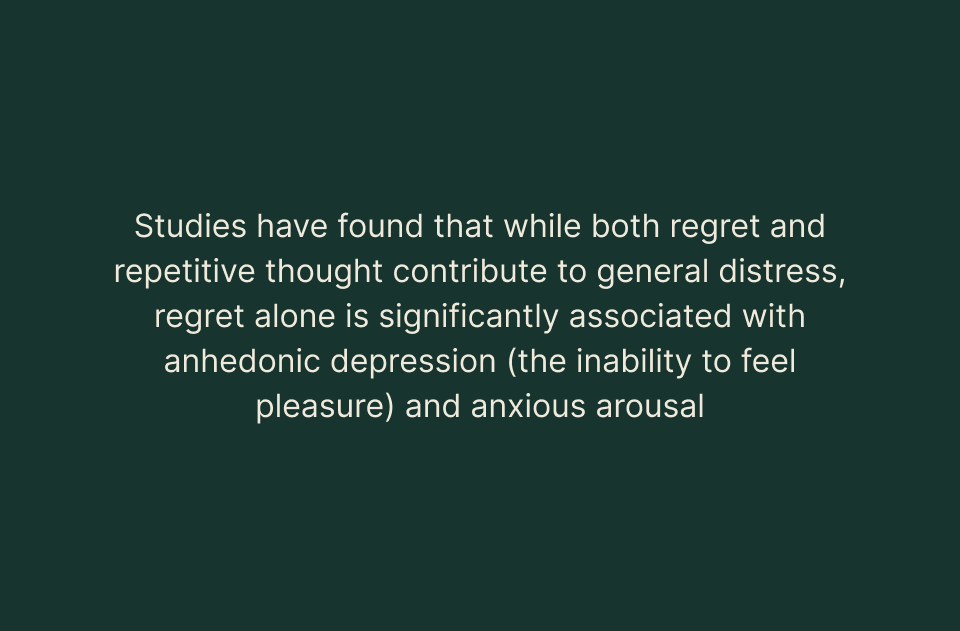
Persistent regret is strongly correlated with depression. Research published in The Journal of Affective Disorders found that people with high levels of unresolved regret had a 60% greater risk of developing major depressive disorder (MDD) compared to those who processed and accepted their regrets.
THE DESIGN
Breaking the Cycle: Moving Forward
This project is about creating a space where people can confront, process, and ultimately transform their regrets into motivation. By integrating insights from social psychology and mental health research, the goal is to help individuals by acknowledging their regrets and take meaningful steps toward healing and growth. Because in the end, regret is not about what we’ve lost—it’s about our power to change.


